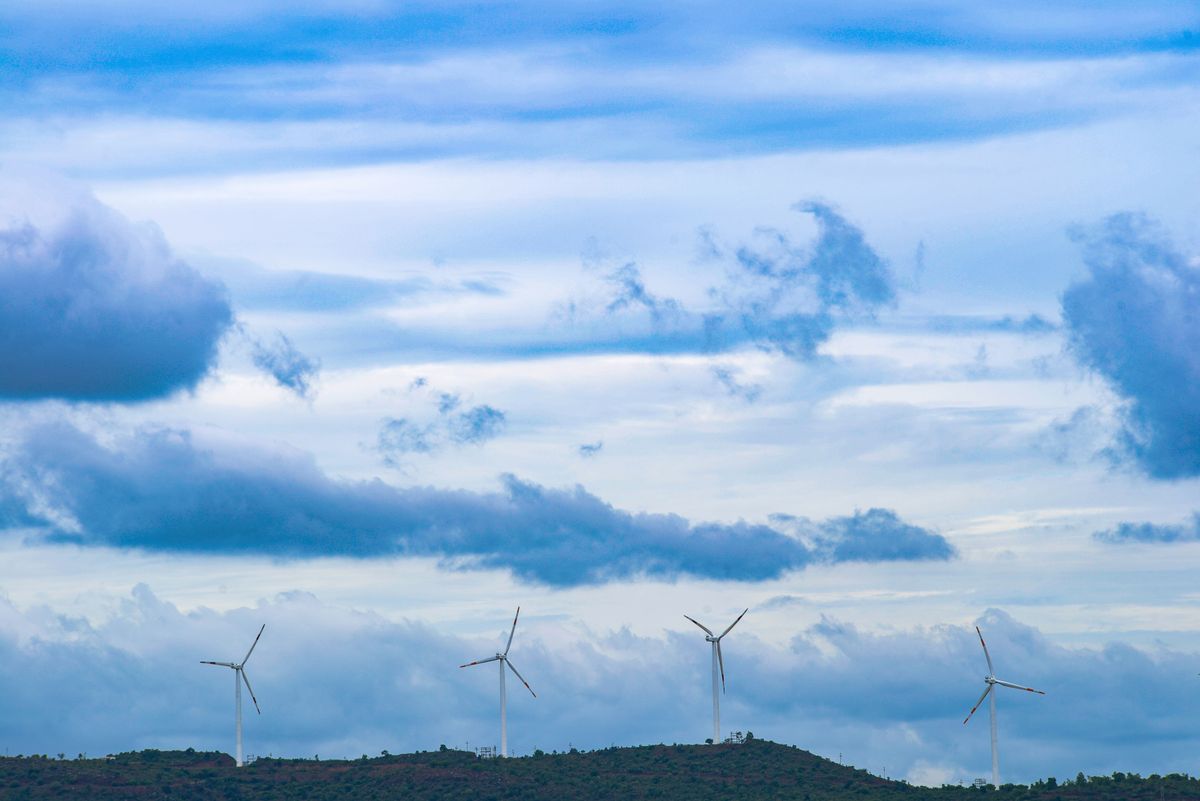
Alright, let’s talk about renewable energy. Not in a “corporate sustainability report” kind of way, but in a real, “this is actually happening and it’s kind of amazing” way. We’re seeing massive changes in how we generate and store power. It’s no longer just about slapping some solar panels on a roof or planting a few wind turbines in a field. The way we build renewable energy infrastructure is getting smarter, tougher, and, let’s be honest, way cooler.
1. Super-Sized Solar Farms: Bigger, Smarter, More Efficient
Solar farms are getting bigger and bigger all the time; miles of them soak up the sun as if they were on a solar energy free-for-all. But the real innovation? Bifacial panels. Yes, on either side, they catch the sunlight and double their productivity.Then, there are tracking systems that see that panels follow the sun, like sunflower stalks taking steroids.
And get this—solar farms are now teaming up with farmers. It’s called agrivoltaics, and it’s exactly what it sounds like: crops and solar panels coexisting in the same space. Shade from the panels keeps the soil from drying out too fast, and the plants help keep things cool for the panels. Win-win.
2. Offshore Wind Power: The Next Energy Superpower
Wind power is ditching the land and heading out to sea, where the wind is stronger, and no one has to argue about blocked views. Floating wind turbines are the latest trick—tethered instead of drilled into the seabed, which means we can finally put them in deeper waters where the wind is relentless. The engineering behind these things is insane, but what is the payoff? Worth it.
Europe’s been leading the charge, but the U.S. and Asia are getting serious about offshore wind now, too. The turbines are getting bigger, the tech is getting better, and AI is stepping in to predict maintenance needs before anything actually breaks. Translation: less downtime, more power, lower costs. We love to see it.
3. The Energy Storage Revolution
Here’s the thing about solar and wind—sometimes the sun and wind just don’t show up. And when that happens, you need solid backup storage. Lithium-ion batteries are still the go-to, but there’s some wild new stuff coming in hot: gravity batteries, solid-state batteries, and the one that’s got scientists geeking out—green hydrogen.
Gravity batteries are pretty much what they sound like. When there’s extra energy, they use it to lift a giant weight. When power is needed, the weight drops, generating electricity. Elegant. Simple. Kind of genius. And then there’s green hydrogen, which turns excess power into storable fuel that can be converted back into electricity when needed. This is what’s going to make renewables as reliable as fossil fuels, without the, you know, fossil fuels.
4. Smart Grids and AI-Powered Energy Management
Picture this: A grid that doesn’t just deliver power but actually thinks. That’s where we’re headed. Smart grids use AI and machine learning to keep everything running smoothly. They balance supply and demand, predict shortages, and reroute power before anyone even notices a dip.
It’s not just about keeping the lights on, though. These smart grids can also incorporate electricity from a thousand different sources—wind farms, solar panels, and even electric car batteries sitting in someone’s driveway. And if something’s about to break down? AI will catch it before it does.
5. Durable and Resilient Infrastructure
Let’s get real—renewable energy tech takes a beating. Saltwater, brutal heat, freezing cold, you name it. So, the materials we use to protect this stuff have to be built to last. And yeah, that includes small but crucial components like a stainless steel junction box. These products effectively safeguard delicate electrical connections from corrosion, moisture, and harsh environmental conditions. Without them, well… let’s just say power outages would be a lot more common.
Beyond that, wind turbines are being designed with hurricane-resistant blades. Solar panels are getting coatings that repel dirt and water to keep efficiency high. The point is, every little upgrade adds up to a system that runs smoother and lasts longer.
6. The Rise of Energy Islands and Hybrid Power Plants
Here’s a concept that sounds like sci-fi but is actually happening: energy islands. Picture a massive floating platform in the ocean, covered in solar panels and surrounded by wind turbines. These islands generate power, store it, and send it where it’s needed. Denmark is leading the charge, but expect to see more of these popping up worldwide.
Then there are hybrid power plants. Instead of relying on just wind or solar, these setups mix different types of renewable energy in one location. Does one source drop? No problem—the other picks up the slack. Pair that with battery storage, and suddenly, renewables don’t seem so “intermittent” anymore.
7. Decentralization: Empowering Communities with Microgrids

Big power plants aren’t the only way forward. More and more, we’re seeing microgrids—small, self-sufficient energy networks that can keep homes and businesses running even if the main grid goes down. They’re especially useful in disaster-prone areas, where relying on a distant power plant isn’t exactly ideal.
Here’s where it gets even cooler: blockchain is getting involved. Yeah, the same tech behind cryptocurrency is making it possible for people to trade energy directly. Do you have extra solar power? Sell it to your neighbor. Need a little more juice? Buy it from someone nearby. It’s peer-to-peer energy trading, and it’s flipping the traditional power grid on its head.
What’s Next?
Look, the way we think about energy is changing. Fast. We’re not just trying to replace fossil fuels—we’re reimagining the entire infrastructure from the ground up. Offshore wind farms that float. Solar panels that work with farmland. AI manages power like a conductor leading an orchestra. This isn’t some distant dream—it’s happening now.
And honestly? It’s about time. For too long, we’ve been stuck with an energy system that’s expensive, inefficient, and pretty much ruining the planet. But with all these innovations coming together, we’re finally building something better. More reliable. More sustainable. More, well, future-proof.